“The Unforgetting” Film
Purpose and Intent
The Unforgetting was created in response to what has largely been lost in modern culture: the intentional recognition of a girl’s first cycle. Across many traditions, menstruation was once acknowledged as a meaningful transition, guided by elders and grounded in care. Today, that moment is often met with silence, confusion, or discomfort, leaving girls to navigate an important change without context or support.
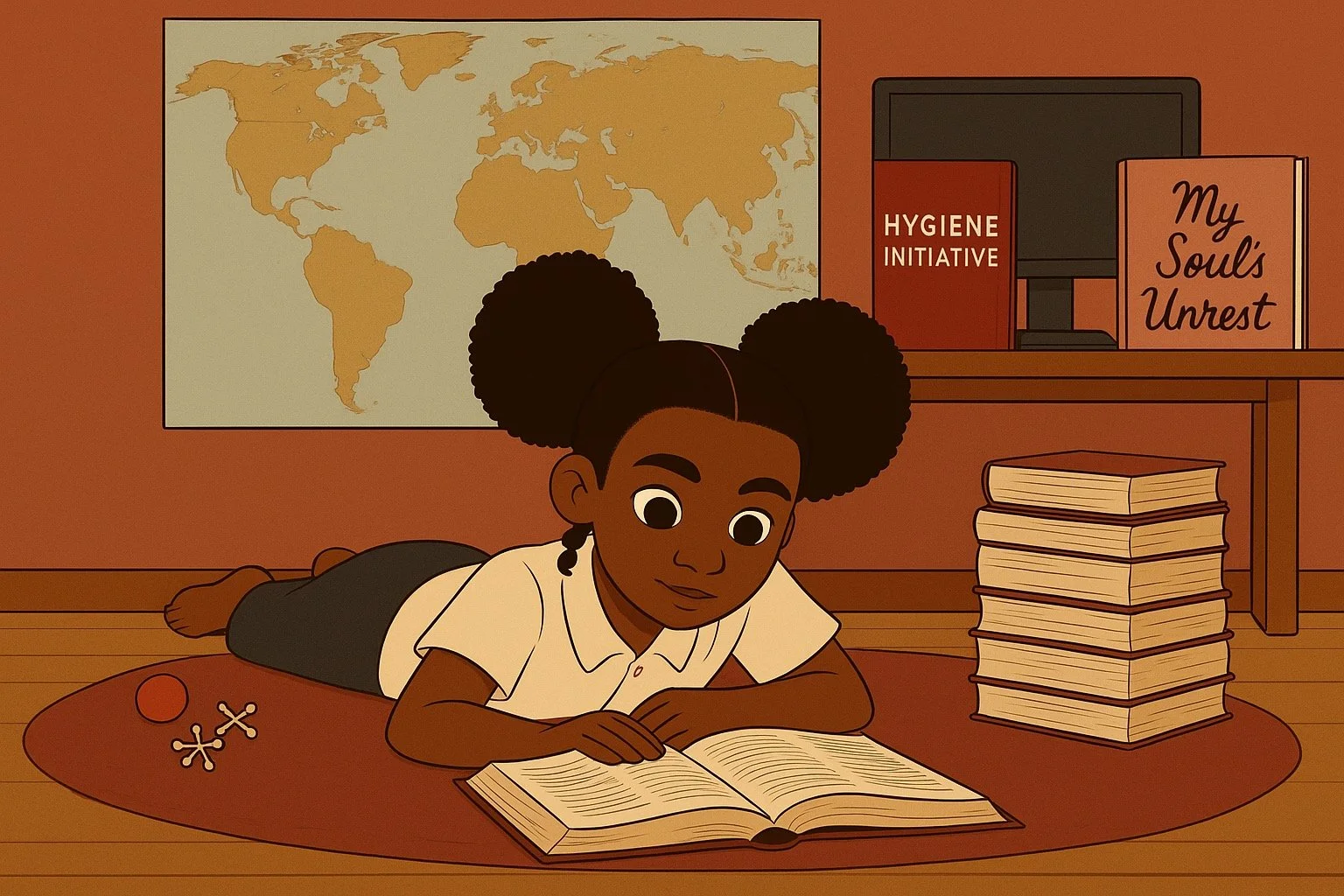
The film tells a simple, intimate story of a young girl, Zola, who is gently guided through her first cycle by her mother and grandmother. This intergenerational presence is central to the film’s message, reflecting the belief that knowledge of the body is meant to be shared, not discovered alone. Through memory, presence, and care, the film restores a sense of dignity to a moment that is often minimized or hidden.
The logic of The Unforgetting is rooted in remembrance. By reintroducing ritual and acknowledgment, the film invites viewers to reconsider how culture shapes our understanding of the body and transition into adulthood. Its intent is not to instruct, but to reframe—offering reassurance to girls, guidance to caregivers, and a broader reflection on how intentional recognition can foster confidence, connection, and healing across generations.